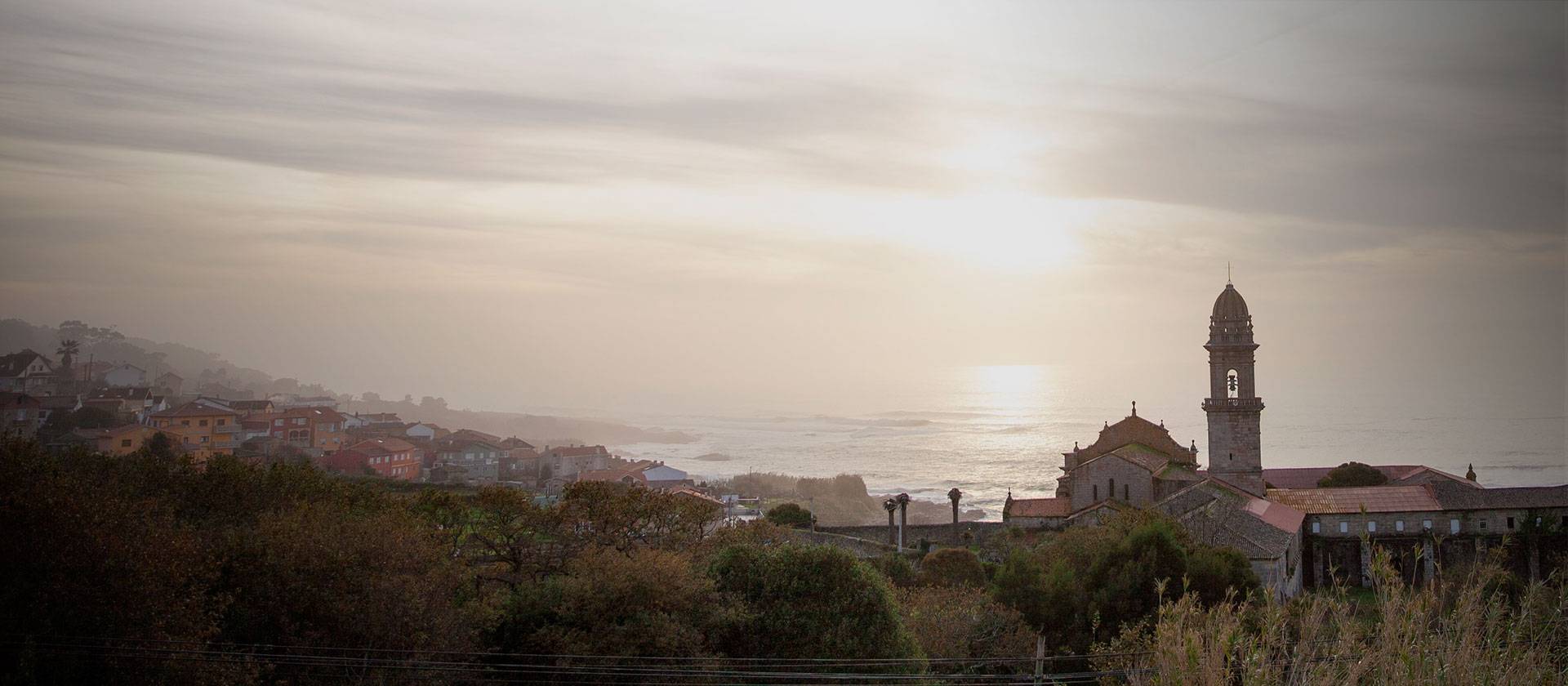
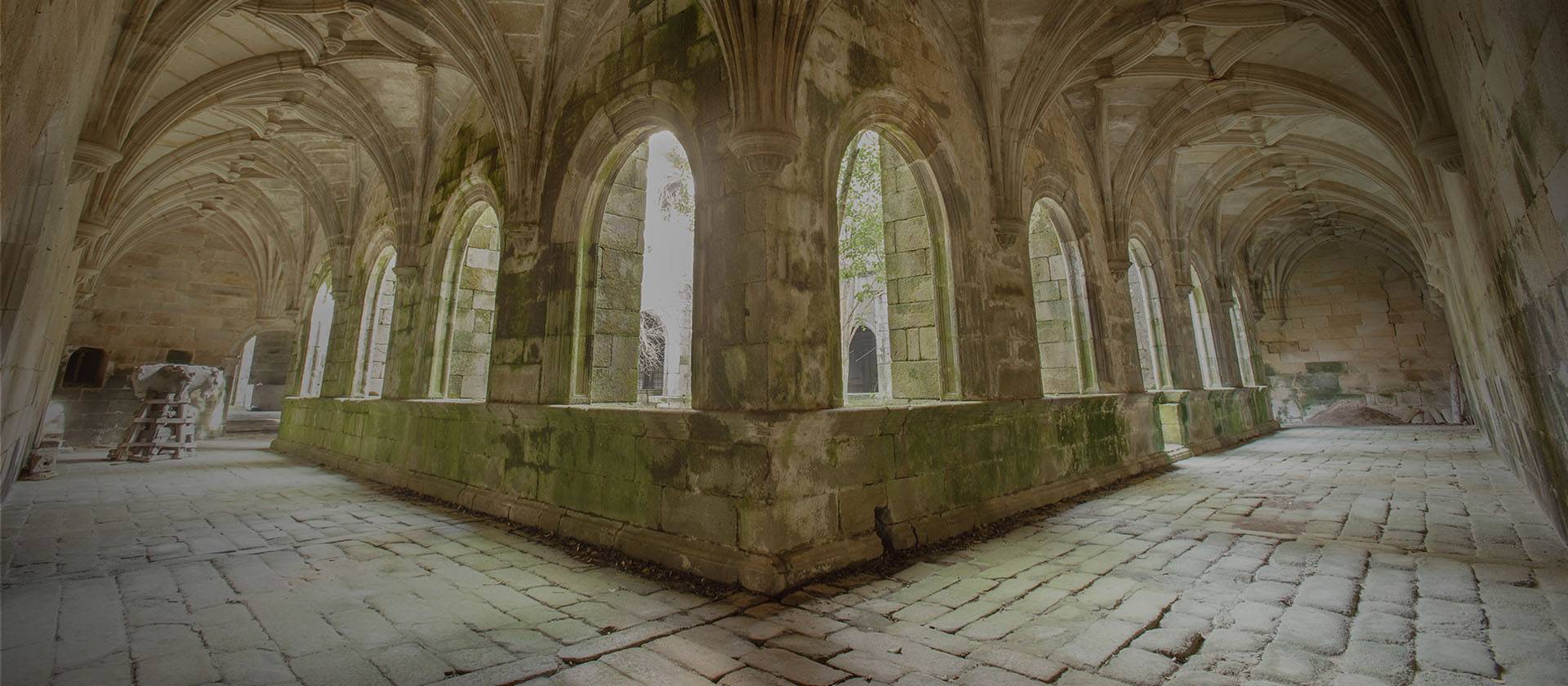
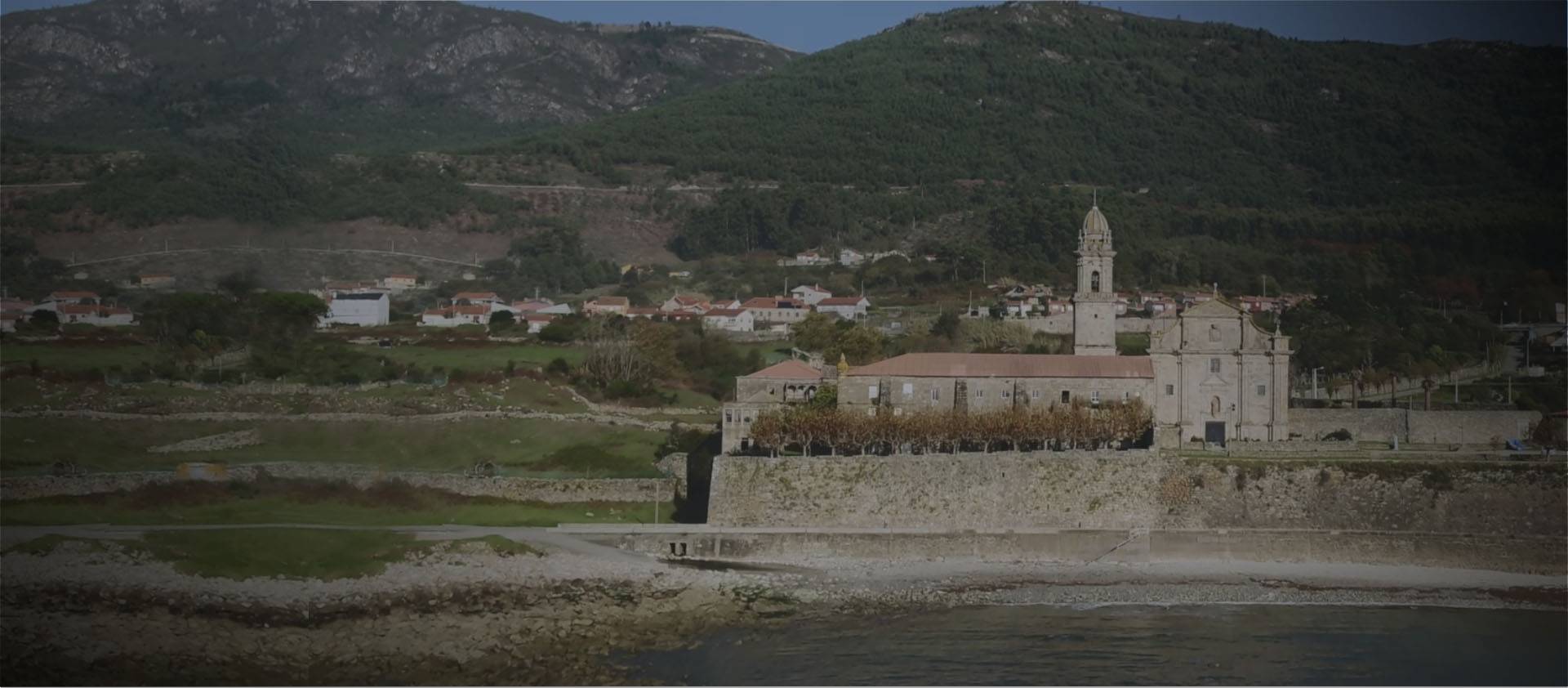
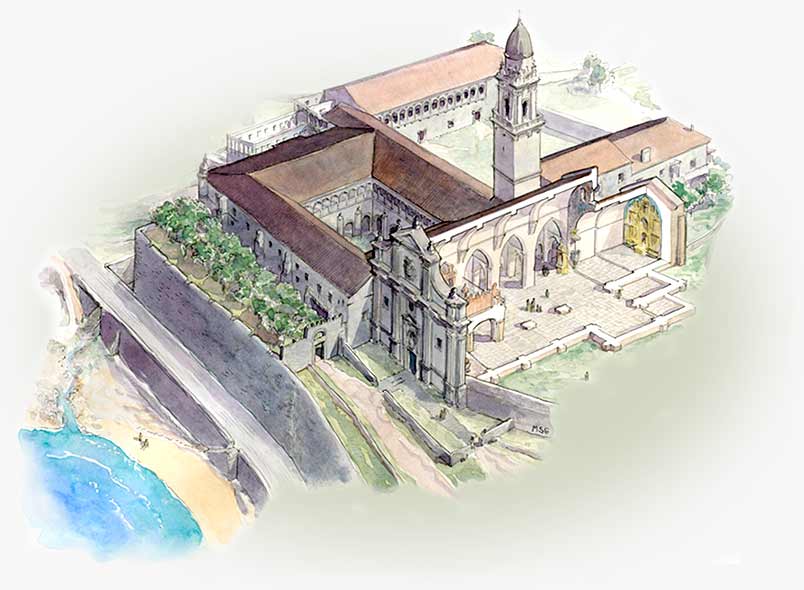
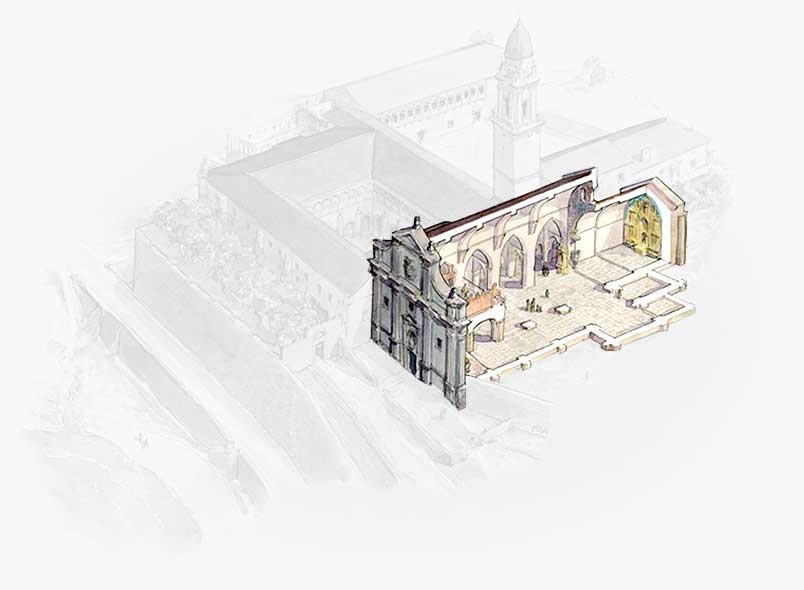
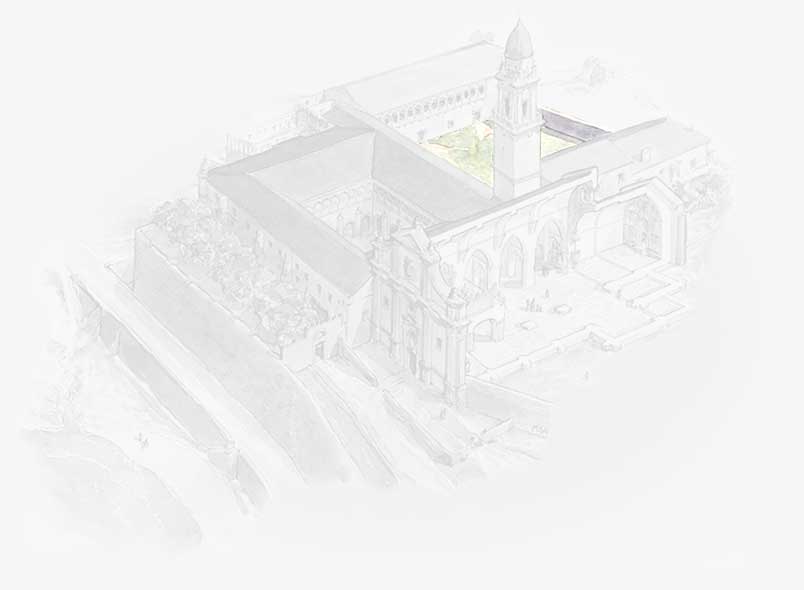
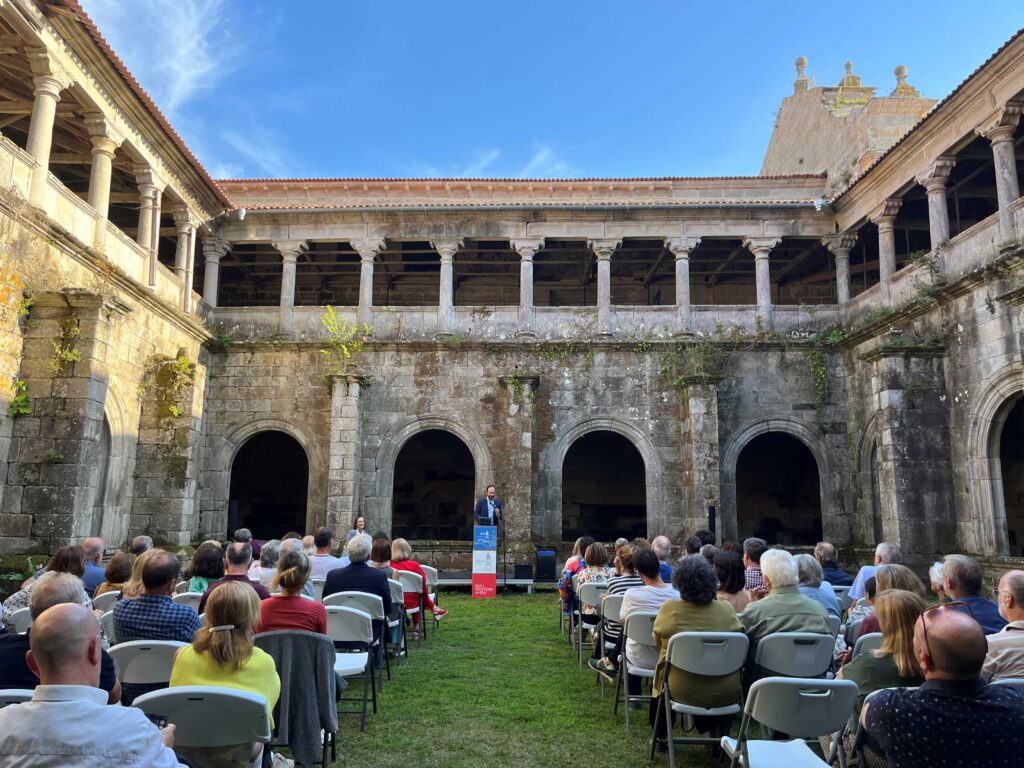




MIDDLE AGE: CENTURIES XI-XV From 1185 a.c. the new church and more buildings were constructed around the cloister.
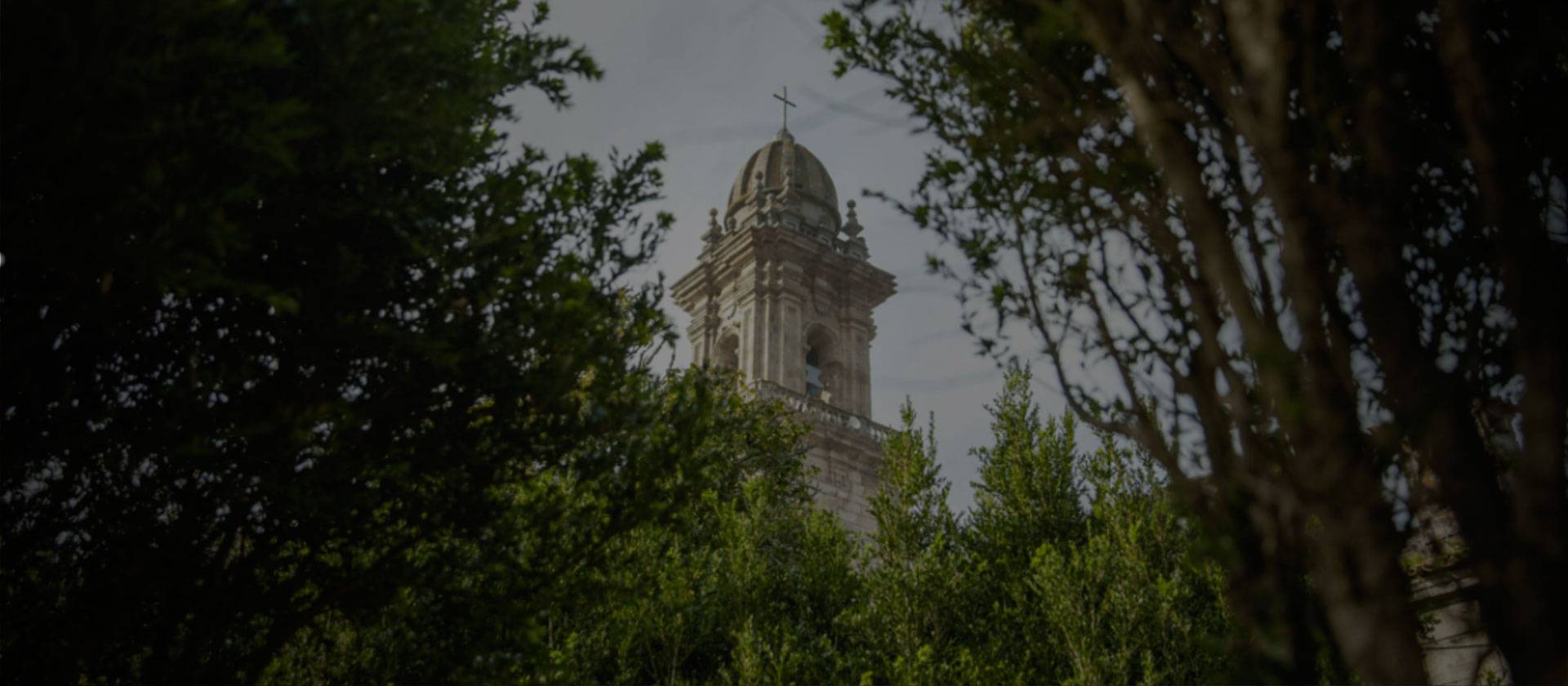
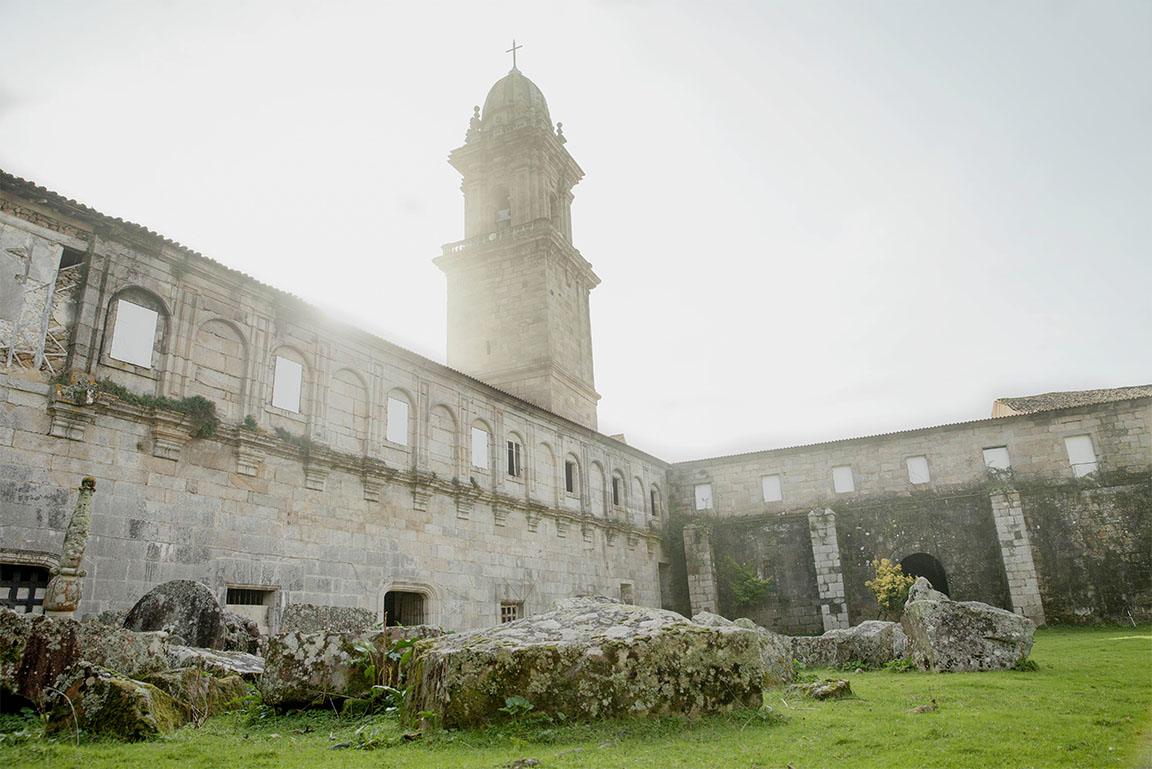
The only buildings of the medieval constructions conserved today are the temple and some fragments of the murals.
Throughout the XIIth and XIIIth centuries, this monastery, as all galicians, live a long periode of splendor, due to the donations and privileges granted by different Castilian monarchs.
However following centuries were afected by decline, reaching its lowest point in the XVth century, like the rest of the galician abbeys.
MODERN AGE: CENTURIES XVI-XVIII With the Modern Age a new stage begins for the galician monasteries , a new economic height. This situation extends, until the moment of the Confiscation of the XIXth century.
In the XVIth century starts the reformation of the galician monasteries, with their compromise to the Congregation of Castile .Whilst some monasteries join the congregation soon, Oia joined in 1.547.
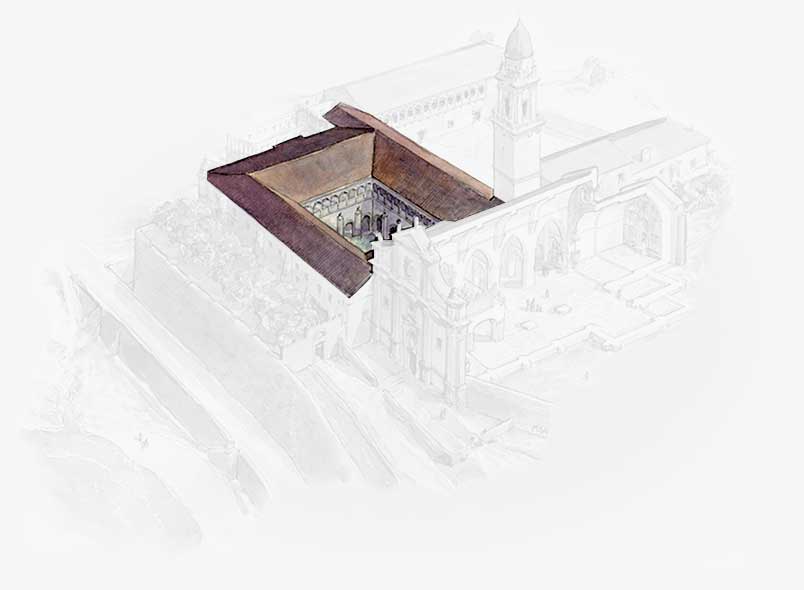
This change supposes a cleaning of the economy of the abbey and a clearly repercussion of the monument: the ruined monacal structure goes through a modernization and extension of spaces : the cloister and the rooms around: refectory, cooks, cells, etc. contructed by the master builders Bartolomé de Hermosa and Pedro del Campo.
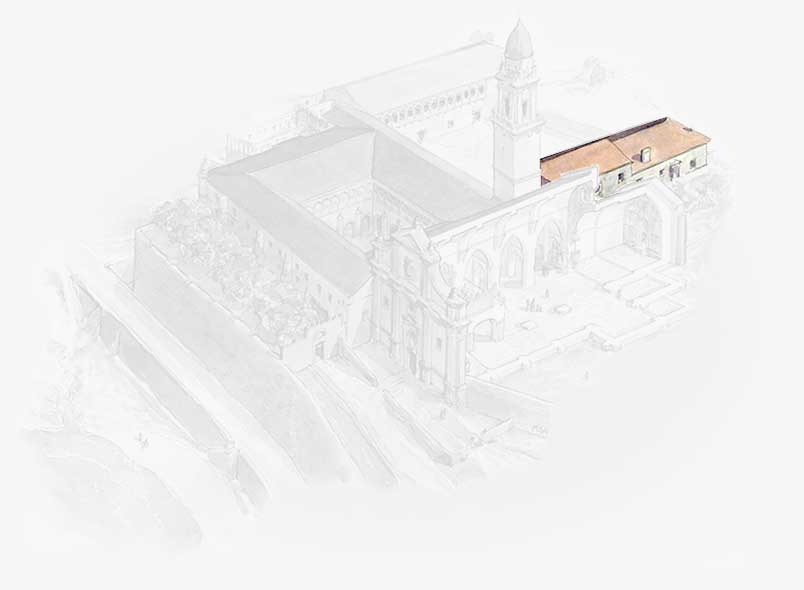
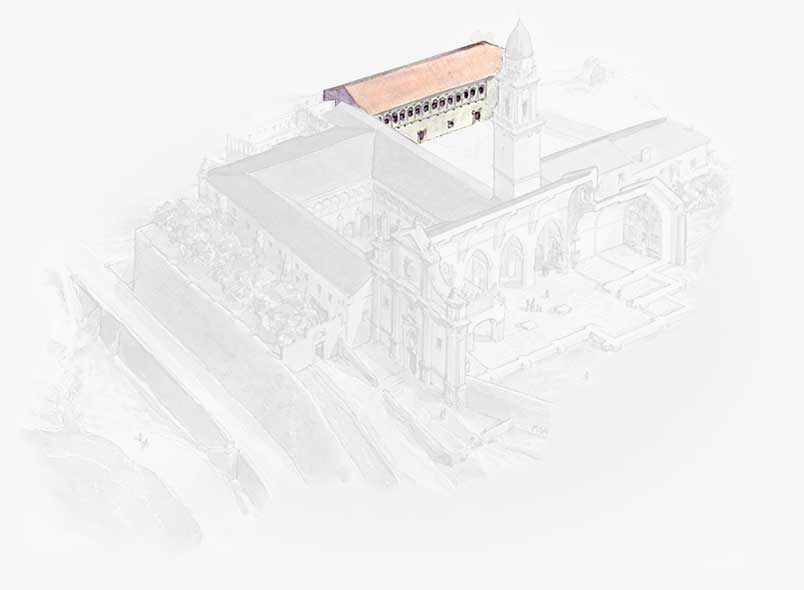
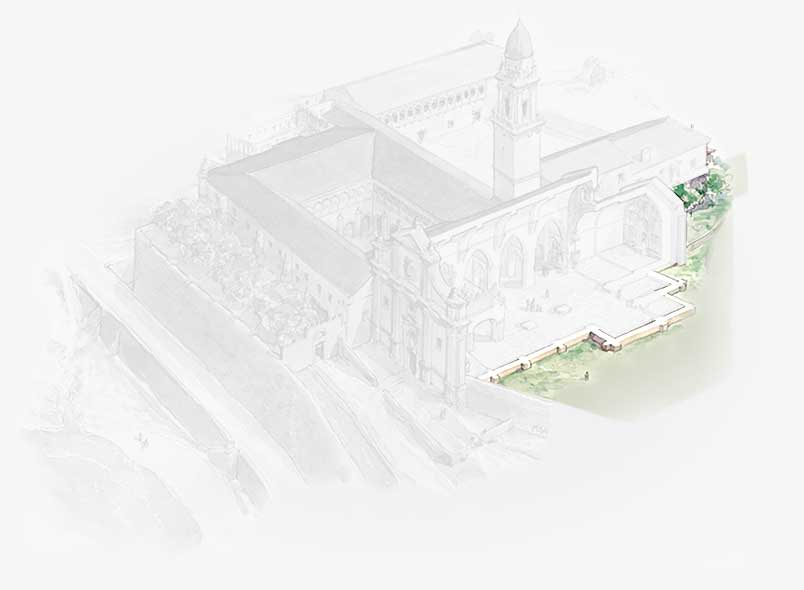
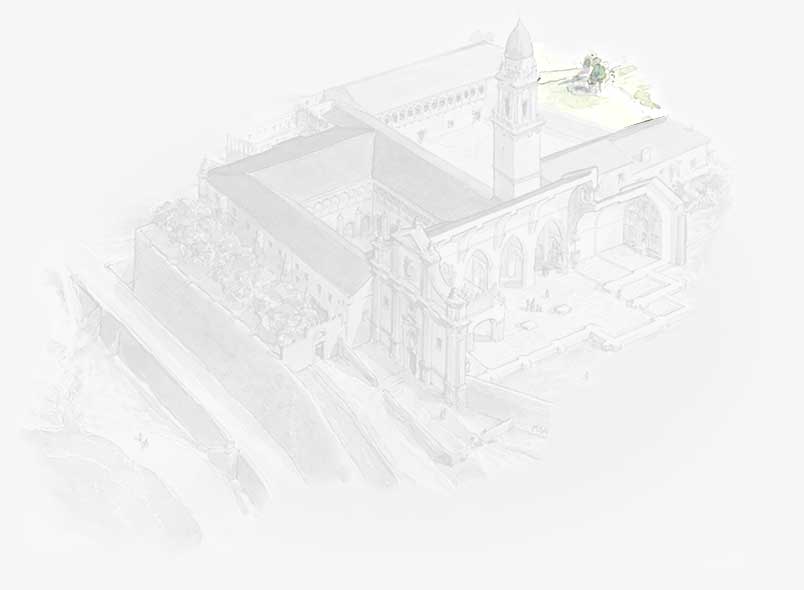
In the XVIIIth century the structure of the Monastery is object of a new constructive phase of great importance, which affects its outer appearance:
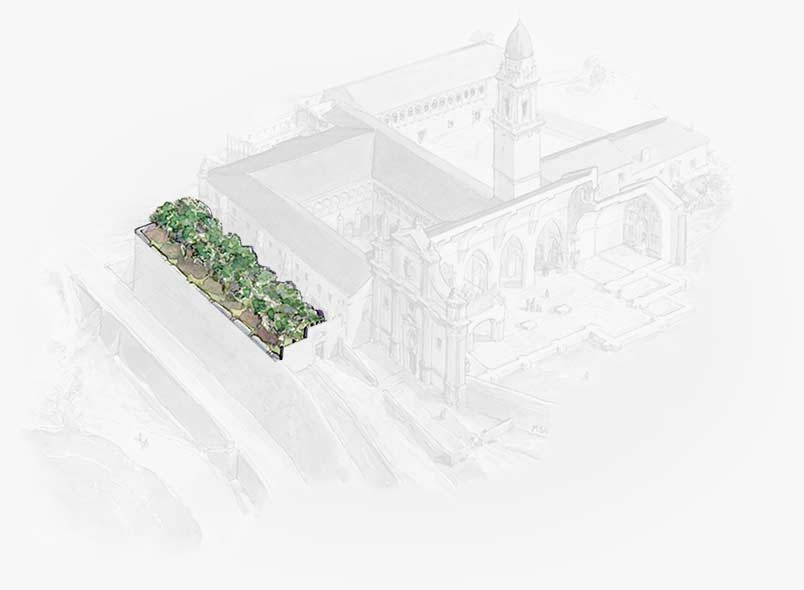
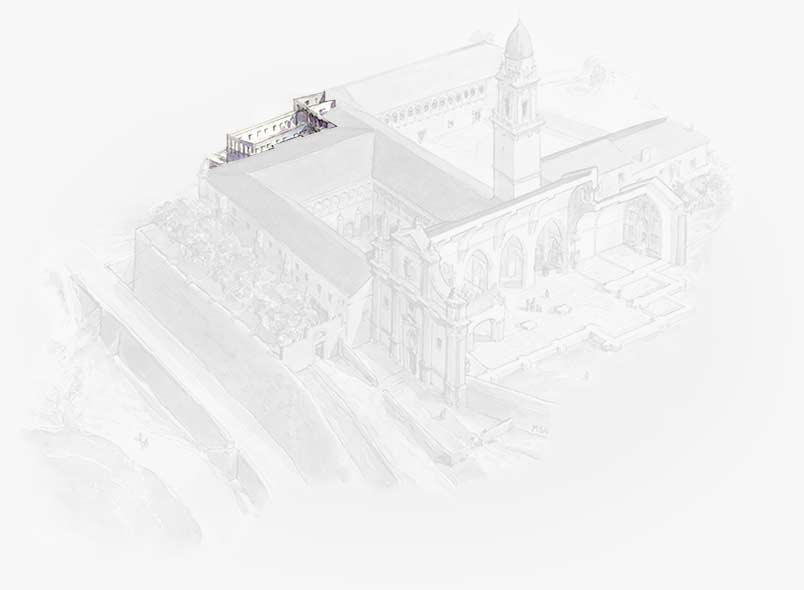
The two galleries are constructed and conform the called Patio de los Naranjos. |